Best PNP Canada Requirements for Sri Lankans: Top 5 Express Entry Streams
Best PNP Canada Requirements for Sri Lankans: Top 5 Express Entry Streams
PNP Canada requirements for Sri Lankans should be a central focus of any comprehensive immigration strategy, as provincial nomination is the most reliable path to securing an Invitation to Apply (ITA). For many skilled professionals applying from overseas, achieving the necessary Comprehensive Ranking System (CRS) score (often 500+) through core factors alone is a daunting, if not impossible, task. The solution lies in the Provincial Nominee Program (PNP), the one factor that provides a guaranteed way to jump to the front of the Express Entry line.
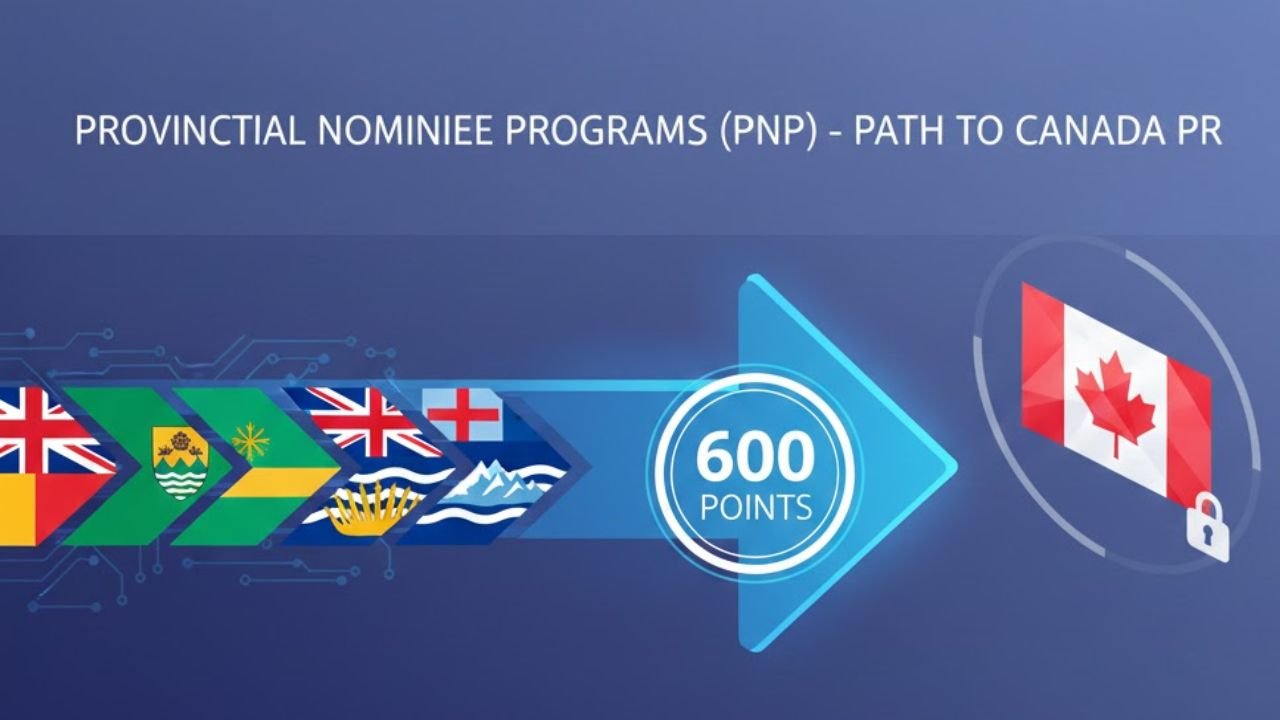
In fact, with Canada’s 2026 immigration strategy increasingly focused on filling localized labour needs, the PNP is set to become the most critical route to Permanent Residence (PR). Securing a provincial nomination grants you an additional 600 points in your Express Entry profile, which virtually assures an Invitation to Apply (ITA) in the next draw. This comprehensive, 2000-2500 word guide will break down the strategic significance of the PNP and detail the Top 5 provincial streams most beneficial for skilled Sri Lankan candidates looking to pivot their immigration journey successfully.
Disclaimer
The information provided in this guide on the PNP Canada requirements for Sri Lankans is based on publicly available provincial program guidelines. Program criteria, fees, and processing times are set by individual provincial governments and can change frequently. Readers must always confirm details with the official provincial websites.
The Strategic Importance of Provincial Nomination
The PNP is a set of distinct, province-specific immigration programs designed to allow Canada’s provinces and territories to select immigrants who possess the skills and experience needed to fill their specific local economic and demographic gaps.
Enhanced vs. Base PNPs
It is crucial to differentiate between the two types of provincial nomination:
-
Enhanced PNPs: These streams are aligned with the Express Entry system. If a candidate is nominated under an Enhanced stream, they receive the 600-point boost to their CRS score and will receive an ITA in the next draw. This is the gold standard for Express Entry applicants.
-
Base PNPs: These streams are independent of Express Entry. Candidates apply directly to the province and, if nominated, must apply separately to IRCC for PR. The process is typically much longer.
The focus for applicants aiming for the quickest route to PR must be the Enhanced PNP streams.
The Key Prerequisite: Meeting Federal Standards
Before any province will consider your application, you must first be eligible for one of the three federal Express Entry programs (FSWP, CEC, or FSTP) and have an active Express Entry profile. This means:
-
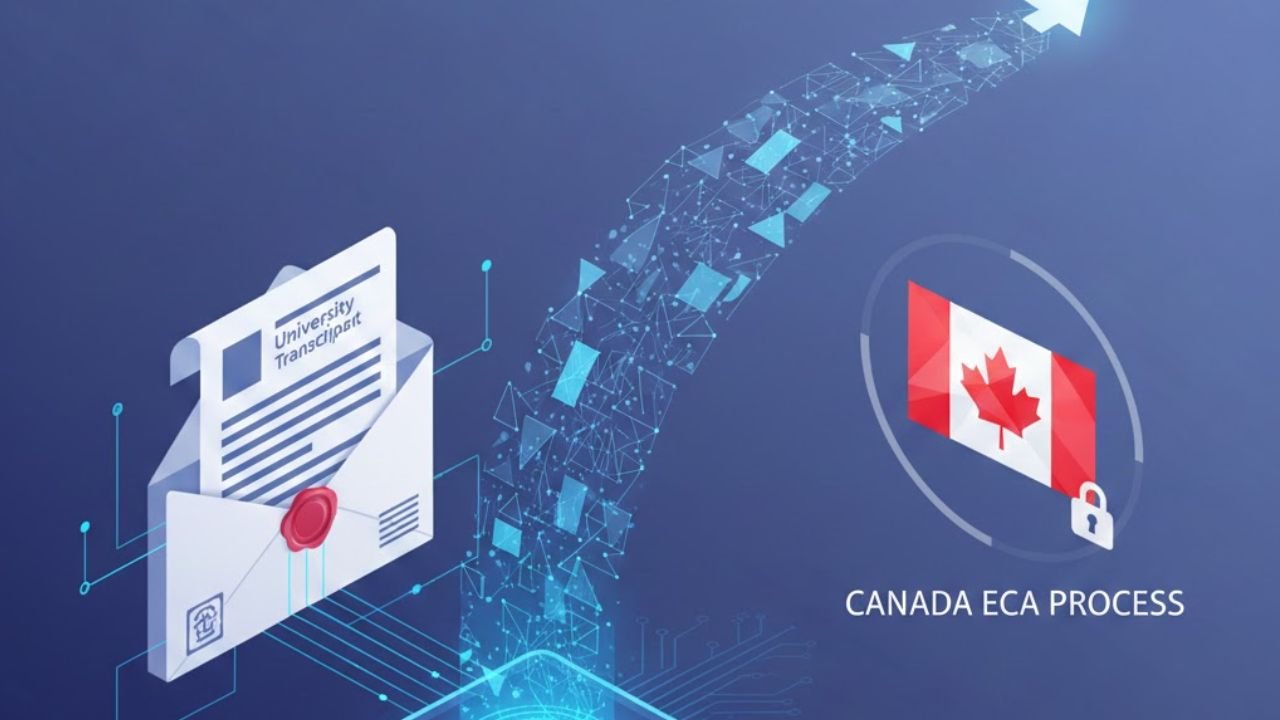
ECA (Education Credential Assessment): Required to validate your foreign education.
-
Language Test: A high CLB score is non-negotiable for most provincial streams.
-
Proof of Funds (POF): You must show you have the funds required to settle in Canada.
Top 5 Strategic PNP Canada Requirements for Sri Lankans
While provinces are always changing their criteria, the following five enhanced streams are historically the most accessible or beneficial for skilled Sri Lankan professionals without a prior Canadian job offer:
1. Ontario Immigrant Nominee Program (OINP) – Human Capital Priorities (HCP) Stream
Ontario, as Canada’s largest economic hub, has significant immigration quotas. The HCP stream is highly beneficial because it often does not require a job offer and operates directly through the Express Entry pool.
-
How it Works: Ontario screens the federal Express Entry pool and sends a Notification of Interest (NOI) to candidates who meet its criteria.
-
Key Requirements:
-
Active Express Entry Profile.
-
Minimum CRS score (fluctuates, but often set in the mid-high 400s).
-
Minimum CLB 7 in English or French.
-
Bachelor’s degree (or higher) with a valid ECA.
-
-
Strategic Advantage: OINP frequently conducts targeted draws based on specific National Occupational Classification (NOC) codes (e.g., Tech, Health, Trades). If your profile aligns with their needs, you can be invited even if your score is below the federal cut-off.
2. Saskatchewan Immigrant Nominee Program (SINP) – International Skilled Worker: Express Entry
Saskatchewan is proactive in nominating skilled workers without demanding a pre-arranged job offer, provided they meet local labour needs.
-
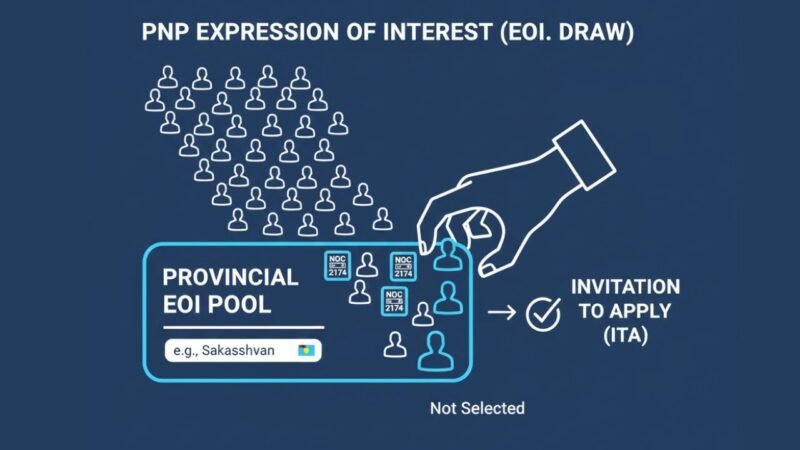
How it Works: This stream uses an Expression of Interest (EOI) system. Candidates submit an EOI to SINP, which then ranks them using its own unique points grid.
-
Key Requirements:
-
Active Express Entry Profile.
-
Score at least 60 points on the SINP’s 100-point assessment grid.
-
CLB 4 (minimum), though higher scores are heavily rewarded.
-
Education credential related to your occupation.
-
Work experience in a high-demand occupation on Saskatchewan’s In-Demand Occupations List.
-
-
Strategic Advantage: The provincial EOI system allows candidates with lower CRS scores to compete effectively, provided their occupation is on the in-demand list, making the PNP Canada requirements for Sri Lankans here more flexible than in other provinces.
3. British Columbia Provincial Nominee Program (BC PNP) – Skills Immigration: Express Entry BC (EEBC)
British Columbia’s program is highly targeted and offers a faster processing timeline for candidates working in specific in-demand sectors, particularly technology.
-
How it Works: BC PNP uses a Skills Immigration Registration System (SIRS). Candidates register, receive a score, and BC holds regular, targeted invitation draws.
-
Key Requirements:
-
Active Express Entry Profile.
-
A job offer is typically required, but BC has highly targeted pilot programs (like the Tech Pilot) that invite candidates who meet specific occupation codes without requiring them to wait in the general pool.
-
Minimum language and wage requirements based on the program stream.
-
-
Strategic Advantage: If your occupation is in the Tech or Healthcare sectors, BC PNP offers a structured, transparent, and often faster path to nomination, even with a lower SIRS score in the targeted draws.
4. Alberta Advantage Immigration Program (AAIP) – Express Entry Stream
Alberta is a popular destination for its high salaries and lower cost of living relative to Toronto or Vancouver. Their Express Entry stream is unique in that it prioritizes candidates who have ties to Alberta or are in occupations that support the province’s economic diversification.
-
How it Works: AAIP screens the federal Express Entry pool for candidates who meet its criteria.
-
Key Requirements:
-
Active Express Entry Profile.
-
Minimum CRS score often as low as 300, making it a fantastic safety net.
-
Work experience in an occupation that supports Alberta’s economic diversification.
-
An established ‘connection’ to Alberta (e.g., family members living there, previous work experience, or a degree from an Alberta post-secondary institution) is a strong advantage.
-
-
Strategic Advantage: The low CRS score threshold (300) means that candidates who are struggling to break the 480+ barrier federally should always ensure they meet the AAIP’s minimal requirements for a potential nomination.
5. Nova Scotia Nominee Program (NSNP) – Labour Market Priorities Stream
Nova Scotia uses this stream to select candidates who can help address specific labour shortages and often targets specific NOC codes without requiring a job offer.
-
How it Works: NSNP searches the federal Express Entry pool and selects candidates who meet the specific criteria outlined in their draw announcements.
-
Key Requirements:
-
Active Express Entry Profile.
-
Meet the requirements for one of the three federal programs.
-
Meet the specific criteria defined by the draw (e.g., have three years of experience in NOC 21233, Software Engineers).
-
-
Strategic Advantage: NSNP is highly flexible and responds quickly to labour market shifts. By frequently monitoring their draw announcements, candidates can ensure their profile is optimized to meet the very narrow criteria they target.
Strategic Success Factors for PNP Applications
Securing a provincial nomination is competitive and demands preparation far beyond simply having a high CRS score.
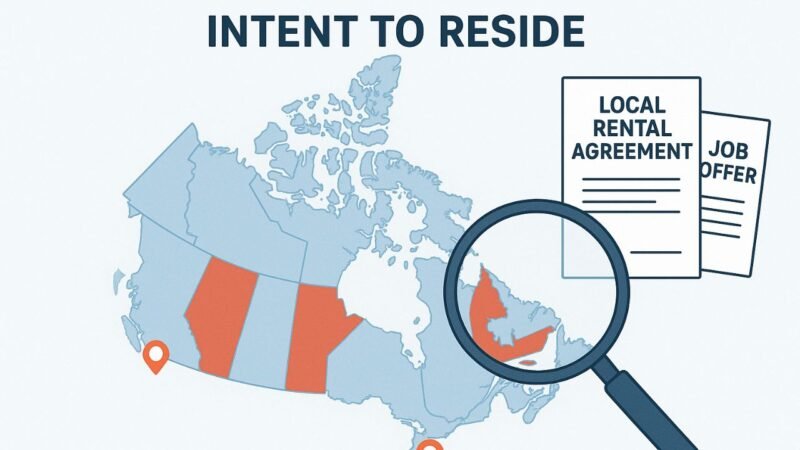
1. Intent to Reside (ITR)
Every province requires candidates to demonstrate a genuine Intent to Reside in that specific province. This is why targeting a single province and understanding its local economy is crucial.
-
How to Prove ITR: While not always required for the application, you can demonstrate ITR by researching job opportunities in the province, having family connections there, or mentioning the province’s specific economic needs (e.g., the booming tech sector in Halifax, Nova Scotia) in your Statement of Intent.
2. Proof of Settlement Funds (POF)
The required POF for federal Express Entry is set by IRCC, but many provinces require candidates to demonstrate funds that are higher than the federal minimums. Always check the specific provincial requirement. The funds must be readily available, unencumbered, and shown via six months of bank statements.
3. Meticulous Documentation
The PNP Canada requirements for Sri Lankans are rigorous regarding documentation. Ensure your work experience letters meet the specific provincial format (often requiring salary, hours worked, and detailed duties). Any deviation or lack of clarity can result in rejection, forfeiting the 600-point boost.
Conclusion
The Provincial Nominee Program (PNP) is no longer a secondary option; it is a primary strategic necessity. For Sri Lankan professionals navigating the competitive Express Entry landscape, meeting the PNP Canada requirements for Sri Lankans is the most effective way to guarantee an Invitation to Apply, bypassing high federal CRS scores by aligning your skills with a provincial demand. By actively maintaining your Express Entry profile, completing your ECA and language tests, and strategically targeting one of the top five provincial streams, you position yourself perfectly to receive the 600-point nomination and secure your future in Canada.
External Resources:
Internal Resources:
-
Mastering Your Canada CRS score calculation: The Ultimate Guide to Maximizing Points [Insert Internal Link to Relevant CRS Article on TheGlobalLankan]
-
Complete Guide to the Canada ECA Process: Step-by-Step for Express Entry
This video explains why the PNP is the most crucial strategy for reducing the required CRS score: How To Get 600 CRS Points: The Provincial Nominee Program (PNP).





news via inbox
Nulla turp dis cursus. Integer liberos euismod pretium faucibua