Diaspora Banking 101: How to Manage Your Sri Lankan Assets and NRFC Accounts While Living Abroad
Diaspora banking 101 begins with understanding that your financial footprint in Sri Lanka doesn’t disappear the moment you clear immigration at Bandaranaike International Airport. In fact, for many members of the Sri Lankan diaspora, the complexity of managing assets—ranging from long-standing NRFC (Non-Resident Foreign Currency) accounts to ancestral property and local investments—only increases once they are settled in London, Toronto, or Melbourne. As we navigate the economic landscape of 2026, the rules governing how you hold, move, and grow your wealth across borders have evolved significantly. This guide is designed to help you master the intricacies of the Sri Lankan banking system, ensuring your hard-earned foreign currency is protected, your local assets are productive, and your repatriation strategies are tax-efficient.
The Evolution: From NRFC to PFCA
One of the first things covered in any modern diaspora banking 101 curriculum is the transition of account nomenclature. For decades, the “NRFC” account was the gold standard for Sri Lankans working abroad. However, under the Foreign Exchange Act, the Central Bank of Sri Lanka (CBSL) consolidated several account types—including NRFC, RFC (Resident Foreign Currency), and RNNFC—into a single, more flexible category known as the Personal Foreign Currency Account (PFCA).
If you still have an old NRFC account, it likely functions today as a PFCA. The beauty of the PFCA system in 2026 is its versatility. It allows you to hold funds in major designated currencies such as USD, GBP, EUR, AUD, and CAD. More importantly, these accounts are generally shielded from the volatility of the Sri Lankan Rupee (LKR), as the balances remain in the foreign currency you deposited.
Opening and Maintaining Your PFCA from Overseas
In 2026, the barrier to entry for diaspora banking has never been lower. Major Sri Lankan banks like Bank of Ceylon (BOC), Sampath Bank, and Commercial Bank have heavily digitized their “Know Your Customer” (KYC) processes.
-
Eligibility: You are eligible if you are a Sri Lankan national living abroad, a dual citizen, or a person of Sri Lankan origin who has acquired foreign citizenship.
-
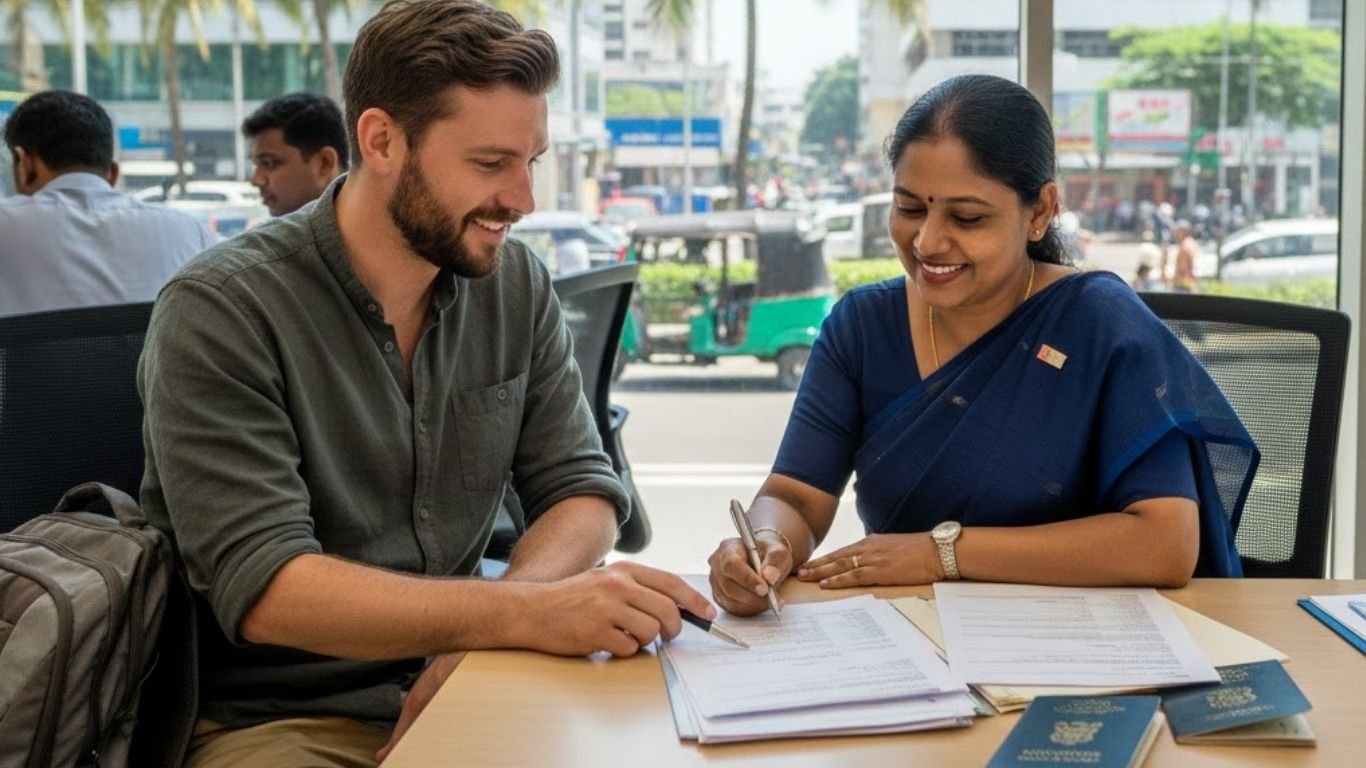
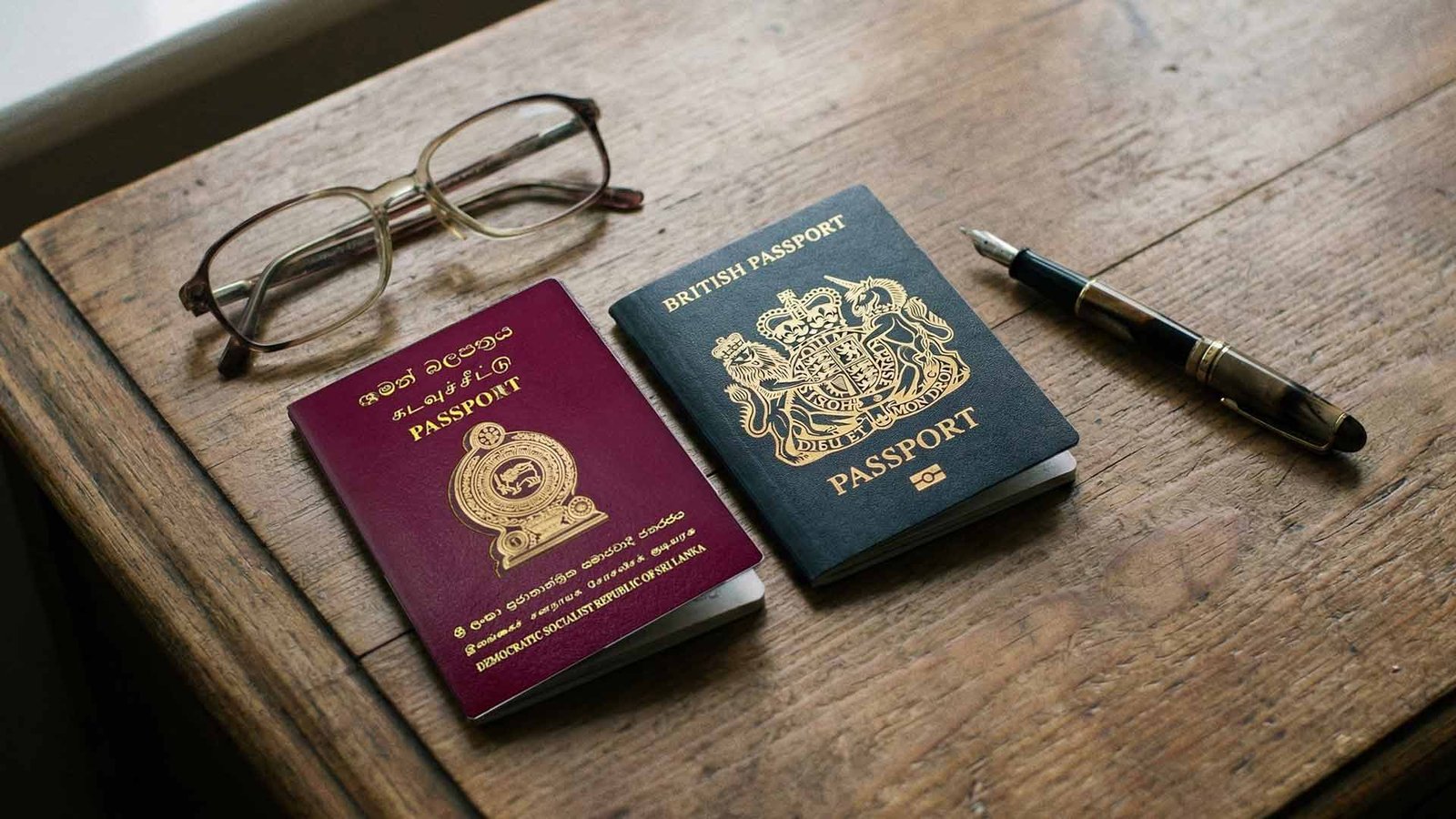
Documentation: Most banks now accept digital scans of your passport (including the visa page), proof of foreign address (such as a utility bill or bank statement in your host country), and a completed FATCA declaration (if you have links to the US).
-
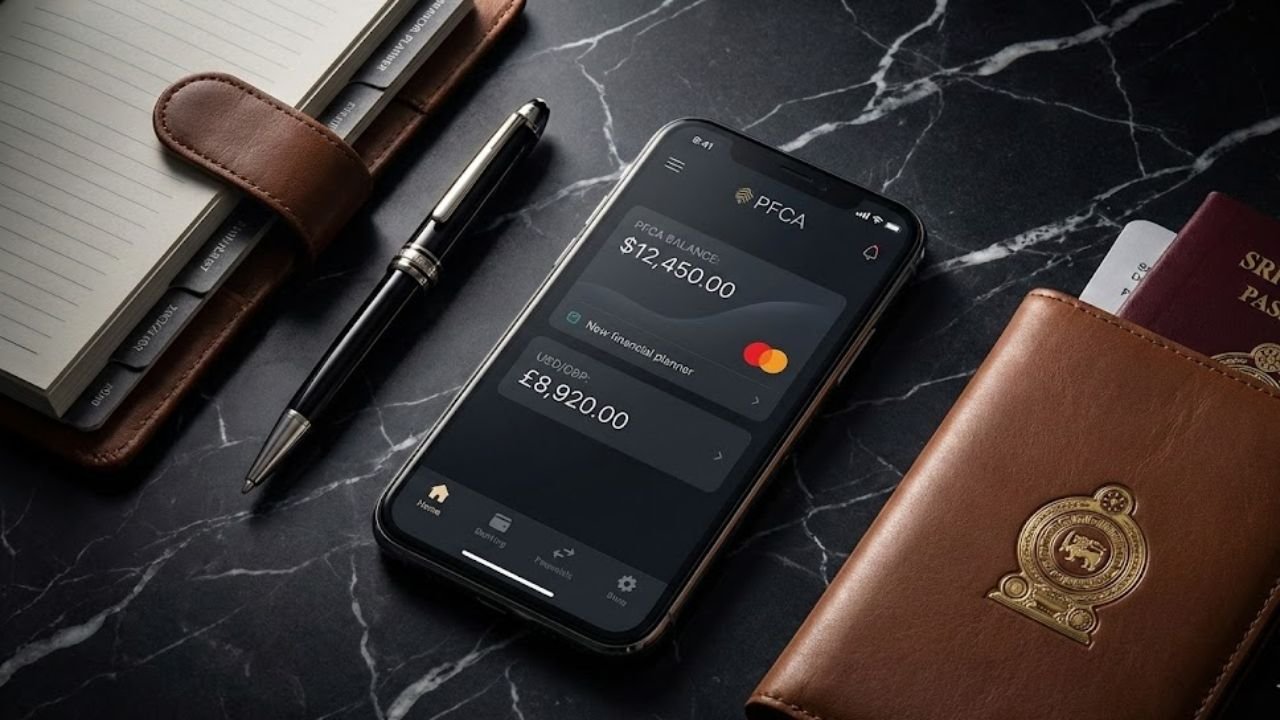
Digital Access: Ensure your bank offers a robust mobile app. In 2026, features like “remittance tracking” and “biometric authentication” are standard, allowing you to move funds between your PFCA and local LKR accounts instantly.
Understanding Migration Allowances and the MBA
For those who have recently moved or are planning a permanent relocation, understanding the Migrant Blocked Account (MBA) is a critical component of diaspora banking 101. When you formally migrate (i.e., obtain Permanent Residency or foreign citizenship), you are entitled to a specific “Migration Allowance.”
As of 2026, the CBSL rules allow a primary migration allowance of up to USD 150,000 (or equivalent) per person. After a period of 12 months from the initial draw-down, you are permitted an annual allowance of USD 20,000. To facilitate this, you must open an MBA with an authorized dealer in Sri Lanka. Funds from the sale of property, inheritance, or local savings are credited to this account before being converted and remitted to your foreign bank account.
The 2026 Tax Landscape: What the Diaspora Needs to Know
Managing your assets isn’t just about banking; it’s about staying compliant with the Inland Revenue Department (IRD) in Sri Lanka and tax authorities like HMRC in the UK or the CRA in Canada.

1. Advance Income Tax (AIT) on Interest
Effective from April 1, 2025, the AIT on interest income in Sri Lanka was increased to 10%. This applies to the interest earned on your PFCA or local LKR fixed deposits. However, if your total assessable income in Sri Lanka is below the personal relief threshold of LKR 1.8 million per year, you may be eligible to submit a self-declaration form to your bank to exempt your interest from this withholding tax.
2. The UK’s Temporary Repatriation Facility (TRF)
For the Sri Lankan diaspora in the UK, 2026 marks a pivotal year. With the abolition of the old “remittance basis” of taxation, the UK government introduced the Temporary Repatriation Facility. This allows individuals who were previously taxed on a remittance basis to bring pre-April 2025 foreign income and gains into the UK at a reduced tax rate of 12% for the 2025/26 and 2026/27 tax years. This is a “golden window” for those looking to move large sums of money from Sri Lankan accounts to the UK to purchase property or invest locally.
3. Capital Gains and Property
If you decide to sell a property in Sri Lanka, you must account for Capital Gains Tax (CGT). In 2026, the standard rate for CGT on the realization of investment assets is 10%. It is vital to maintain clear records of the original purchase price, legal fees, and any substantial improvements made to the property, as these can be deducted to reduce your taxable gain.
Managing Physical Assets: Property and Rent
For many, diaspora banking 101 extends to the management of “brick and mortar.” Owning property in Colombo, Kandy, or the coastal belt can be a lucrative source of passive income, but it requires diligent oversight.
-
Imputed Rental Income: The 2026 budget proposals have highlighted a shift toward taxing “imputed rental income” on owner-occupied and vacant residential properties. This means even if your house in Sri Lanka is sitting empty, you might still face a tax liability based on its deemed rental value.
-
Property Management Services: Given the distance, many in the diaspora now utilize professional property management firms. These companies handle tenant vetting, rent collection (which can be deposited directly into your LKR savings account), and routine maintenance.
-
Power of Attorney (PoA): To manage banking and property transactions without flying back frequently, it is common to grant a “Specific Power of Attorney” to a trusted relative or legal professional in Sri Lanka. Ensure this document is properly attested by the Sri Lankan High Commission or Consulate in your host country.

Choosing the Right Banking Partner
The “Big Three” in Sri Lankan banking—Bank of Ceylon (BOC), People’s Bank, and Commercial Bank—continue to dominate the diaspora market. However, niche players like Sampath Bank and Nations Trust Bank have gained ground through superior digital interfaces.
BOC (UK) remains a unique “gateway” for the UK diaspora, offering a bridge between the British and Sri Lankan financial systems. Using a bank with a physical presence in both countries can often simplify the process of verifying documents and managing cross-border transfers.
The Nomad Perspective: Managing Finances Remotely
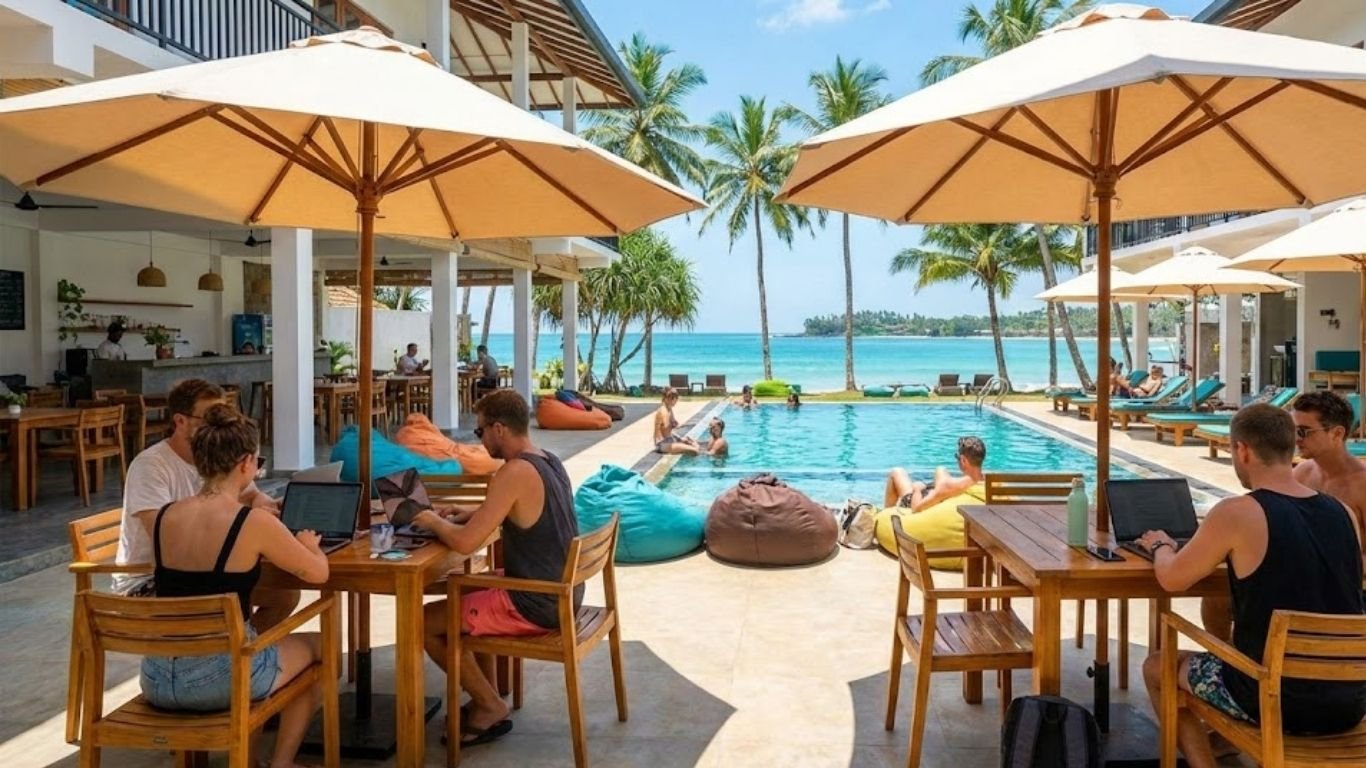
As the “Nomad Life” becomes a reality for more young Sri Lankans, the need for borderless banking has skyrocketed. Digital nomads often maintain a “three-tier” banking strategy:
-
Host Country Account: (e.g., Monzo or Revolut) for daily expenses.
-
Sri Lankan PFCA: For long-term foreign currency savings and maintaining a link to the homeland.
-
Investment Accounts: Utilizing “Inward Investment Accounts” (IIA) to invest in the Colombo Stock Exchange (CSE) or Sri Lanka Development Bonds (SLDBs).
Conclusion
Mastering diaspora banking 101 is about more than just numbers; it’s about maintaining the freedom to move between your two worlds without financial friction. By utilizing PFCA accounts, understanding the migration allowance limits, and staying ahead of 2026 tax reforms, you can ensure that your transition to life abroad is supported by a strong financial foundation back home. Whether you are saving for your children’s education in Australia or planning an eventual retirement in a villa in Galle, the right banking strategy is your most valuable asset.
For more information on relocating and managing your global lifestyle, explore our sections on Migrations Helps and Nomad Life. For official updates on foreign exchange regulations, visit the Central Bank of Sri Lanka (CBSL).



news via inbox
Nulla turp dis cursus. Integer liberos euismod pretium faucibua