
Student Migration Trap 2026: Navigating New Visa Rules and Costs in UK, Australia, and Canada for Sri Lankans
Student Migration Trap 2026 has become the defining phrase for thousands of young Sri Lankans who left the island seeking stability, only to find themselves facing a “triple threat”: skyrocketing living costs, capped work hours, and narrowed pathways to Permanent Residency (PR). As we enter the first quarter of 2026, the landscape of international education has shifted from a “welcome mat” to a “closed door” policy in the most popular destinations for the Sri Lankan diaspora.
For decades, the path was clear: take a gold loan, get a student visa for the UK or Australia, work part-time to cover rent, and eventually transition to a work visa. However, the Student Migration Trap 2026 highlights a dangerous disconnect between expectations and the current legislative reality. Governments in London, Ottawa, and Canberra have implemented some of the harshest restrictions in recent history, specifically targeting “non-genuine” students and reducing migration numbers to pre-pandemic levels.
Australia: The $29,710 Hurdle and the Age 35 Cap
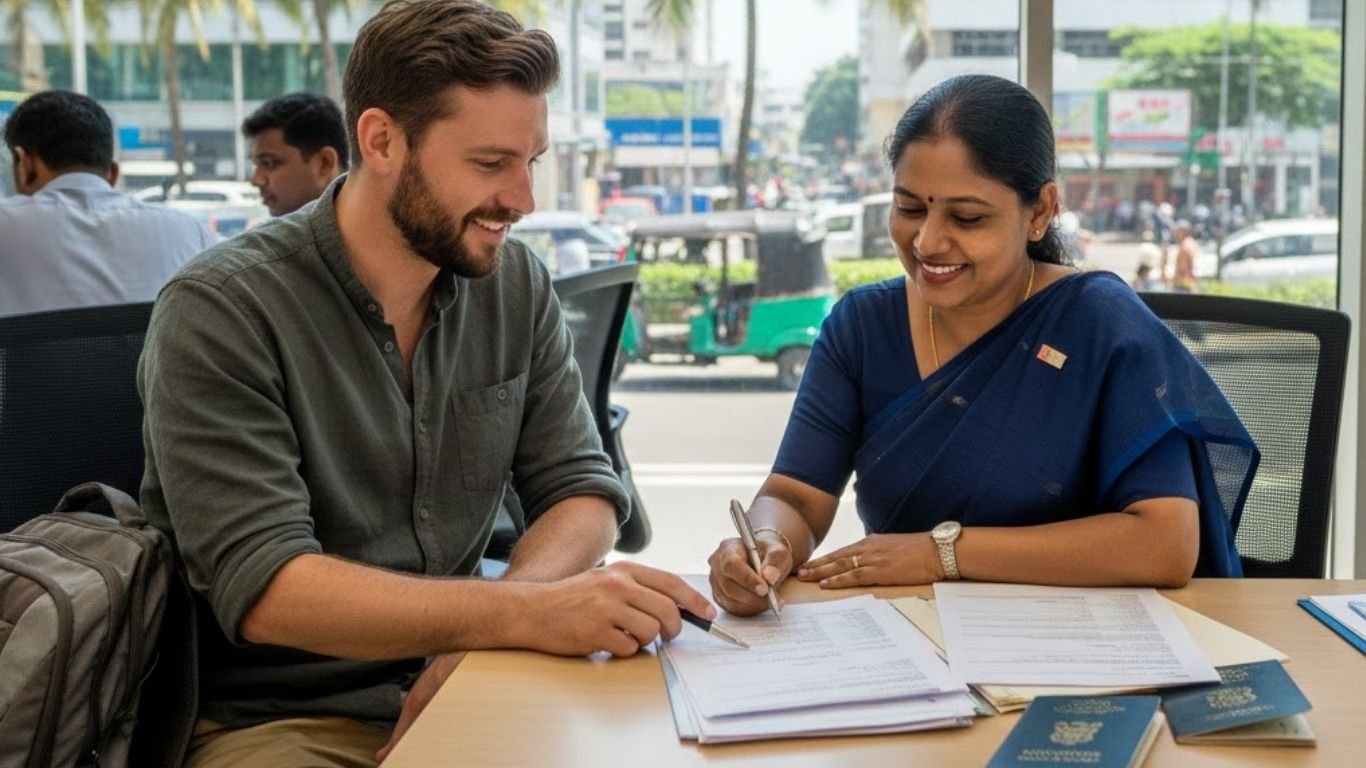
In 2026, Australia remains a top choice for Sri Lankans, but the entry barrier has never been higher. As of January 8, 2026, the Australian Department of Home Affairs has strictly enforced the Genuine Student (GS) requirement. Unlike the old GTE (Genuine Temporary Entrant) statement, the GS test requires exhaustive proof that your course aligns specifically with a high-demand career path in Australia.
The financial requirement is the biggest shock. Sri Lankan students must now demonstrate access to at least $29,710 AUD (approximately 5.8 million LKR) in liquid savings just for annual living costs, excluding tuition. Furthermore, the Temporary Graduate Visa (Subclass 485) has seen a drastic change: the age limit has been slashed from 50 to 35 years. For many Sri Lankan professionals looking to migrate with their families via the student route, this effectively shuts the door on post-study work rights.

The UK: No Dependants and the Salary Threshold Crisis
The UK was once the easiest route for married Sri Lankans, but the 2024 ban on bringing dependants for most Master’s students has fully matured into a social crisis for the diaspora in 2026. Students are now living “split lives,” with one spouse in London or Manchester and the other back in Colombo.
The Student Migration Trap 2026 in the UK is further exacerbated by the “Skilled Worker” salary threshold. To switch from a Graduate Visa to a work permit, students must now secure a job paying upwards of £38,700, a figure that many entry-level roles in marketing, HR, or even some engineering sectors do not meet. This has left many “stuck” on a 2-year clock with no clear long-term future.

Canada: The End of the “Easy PR” Era
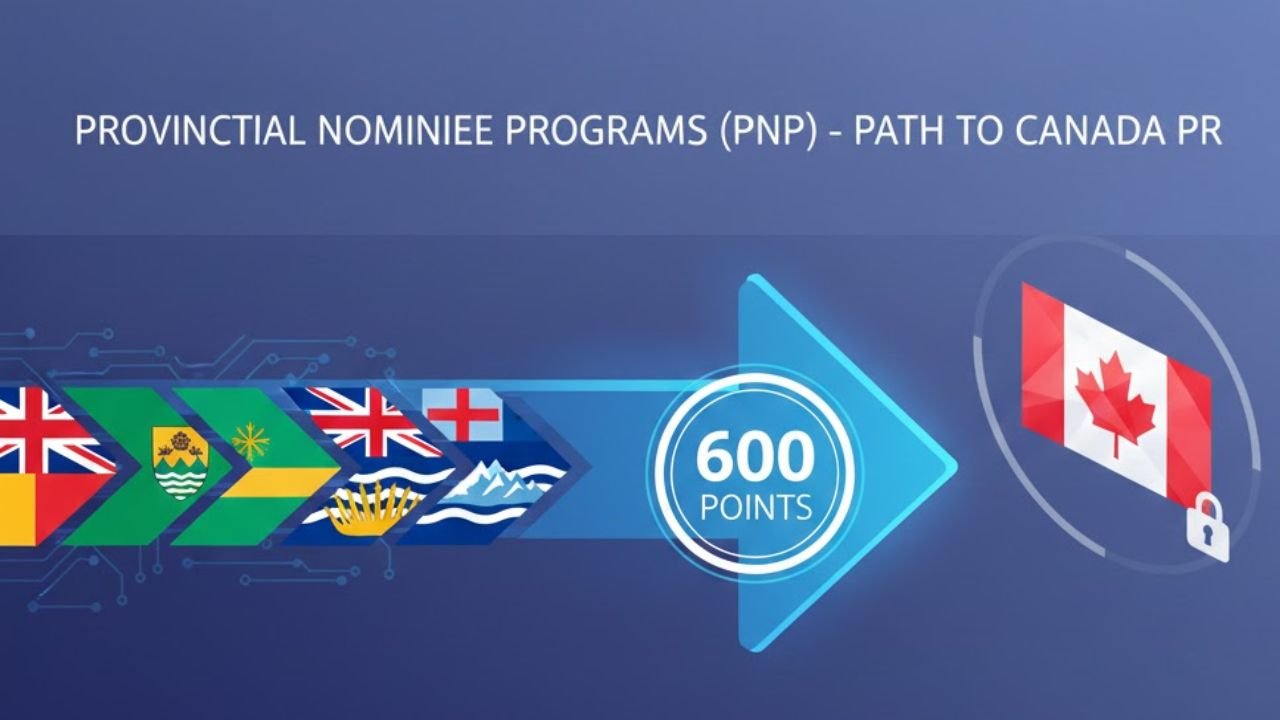
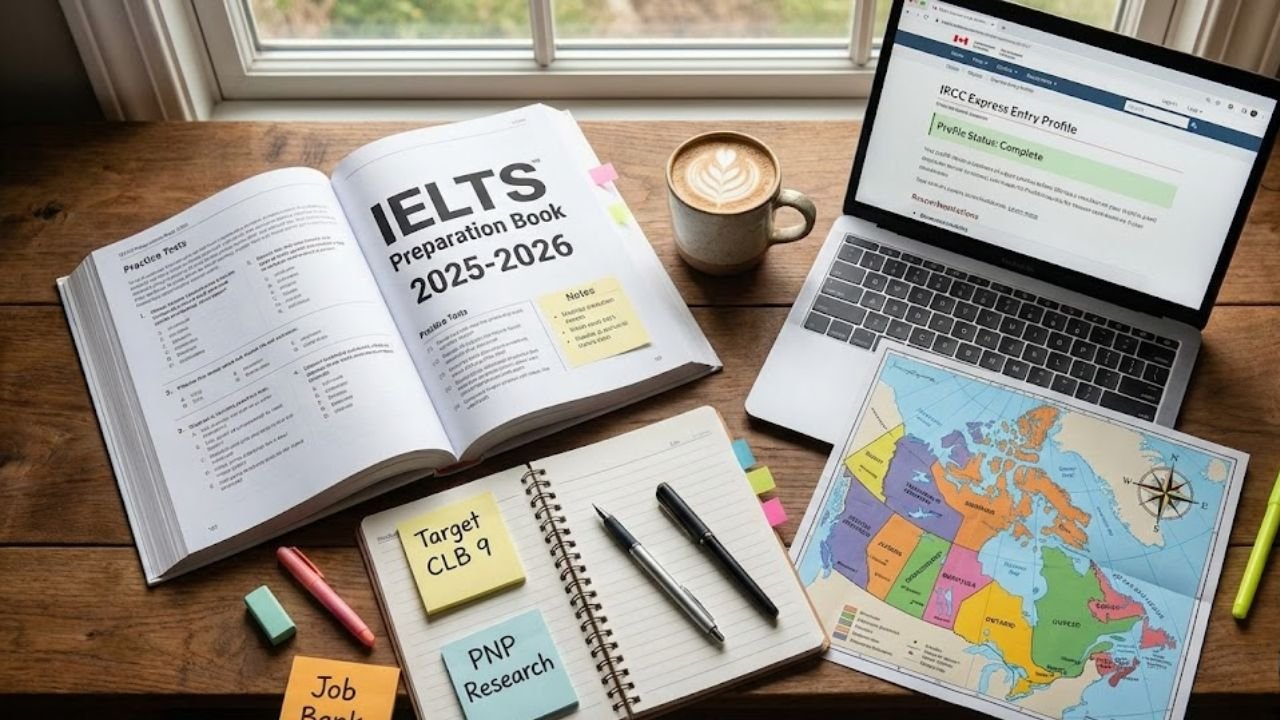
Canada’s 2026 outlook is defined by its strict Provincial Attestation Letter (PAL) system and the 35% reduction in new study permits. For Sri Lankans, the “Student Migration Trap 2026” in Canada manifests through the housing crisis. Rent in cities like Toronto and Vancouver has surged to an average of $2,500 CAD for a one-bedroom apartment, while the new 20-hour-per-week work limit (strictly enforced in 2026) makes it mathematically impossible to survive without significant funding from home.
How to Avoid the Trap: Strategies for 2026
-
Look Beyond the “Big Three”: Emerging destinations like Germany, Finland, and Japan are offering tuition-free or low-cost education with clearer paths for skilled workers.
-
Regional is Essential: In Australia, choosing “Category 3” regional areas (like Adelaide or Perth) provides an extra 1–2 years of post-study work rights and priority PR processing.
-
The “Hela” Network: Tap into the established Sri Lankan diaspora associations (like the UK Lankan Pages community) to find shared housing and “off-market” job opportunities that meet visa requirements.
The Student Migration Trap 2026 isn’t an impossible wall, but it is a filter. Only those who are academically serious, financially prepared, and strategically flexible will succeed in this new era of global mobility.





news via inbox
Nulla turp dis cursus. Integer liberos euismod pretium faucibua